

ConvertInAR
About Company
What Instant Access Means for Interactive Commerce
Online commerce has become increasingly convenient, but convenience is no longer limited to faster checkout or simpler payment options. Customers also expect information to appear when they need it and experiences to work without unnecessary obstacles. When someone discovers a product through a social post, printed advertisement, store display, packaging, or a product page, the distance between interest and interaction can influence what happens next.
Interactive commerce addresses this changing expectation by making digital product experiences more engaging and accessible. Instead of asking customers to rely entirely on photographs, descriptions, and specifications, brands can give them opportunities to explore products in a more visual way. The important factor is not simply adding interactivity, but making that interactivity immediately available.
The Value of Removing the Waiting Period
Traditional digital experiences often involve several steps before a customer reaches useful content. A person might see a product, visit a website, search for its name, find the correct page, navigate through several sections, and finally discover the information they wanted. Each step introduces another opportunity for attention to disappear.
Instant access changes that sequence. A physical or digital touchpoint can become a direct gateway into an interactive experience, allowing customers to move from curiosity to exploration with fewer interruptions. This is particularly relevant on smartphones, where people are already accustomed to tapping links, scanning codes, and opening browser-based experiences.
For commerce, this creates a more connected relationship between discovery and action. The customer does not have to remember the product later or return to it through a separate search. The experience can begin while interest is still fresh.
Turning a Physical Discovery Into a Digital Moment
Physical marketing has traditionally been limited by the amount of information that can fit into a small space. Packaging, posters, brochures, labels, displays, and printed advertisements can introduce a product, but they cannot easily demonstrate every detail about it.
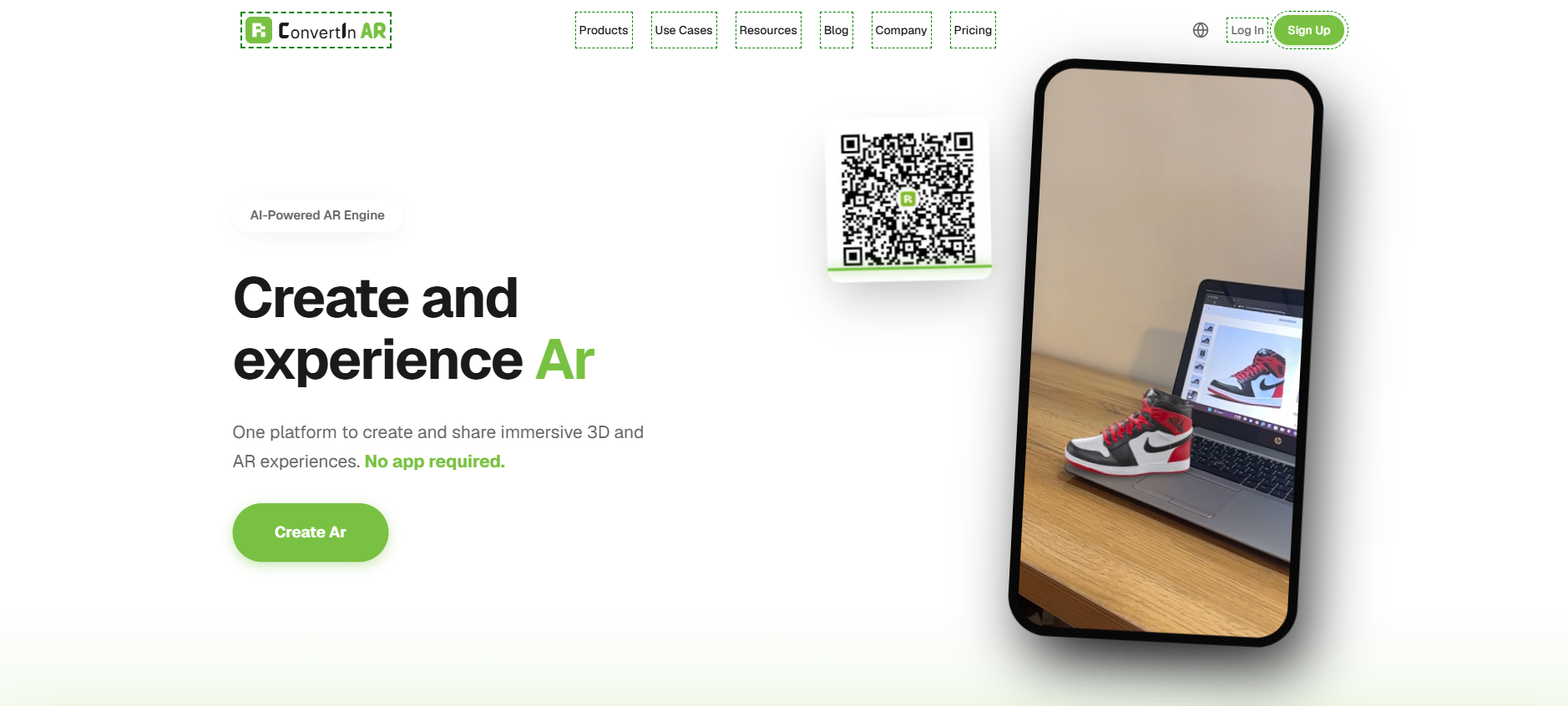
An augmented reality qr code can create another layer between the physical object and the digital experience. Rather than treating a QR code as simply a link to a conventional webpage, brands can use it as an entry point to interactive product content.
This approach gives printed materials a more active role in commerce. A customer looking at packaging could access additional product information through a smartphone. Someone viewing a display in a showroom could move from seeing a physical product to exploring its digital representation. A visitor at an event could interact with a product without needing to find a specific website manually.
The significance lies in continuity. The physical advertisement begins the conversation, while the connected digital experience can continue it.
When Product Information Becomes Something Customers Can Explore
Product descriptions are useful because they communicate facts, but words alone cannot always explain physical characteristics effectively. Dimensions, materials, proportions, finishes, and spatial relationships can be difficult to understand through text and conventional photography.
Interactive visualization offers another way to communicate these characteristics. Instead of only reading about an object, customers can examine a representation that gives them a stronger sense of how it looks and relates to its surroundings.
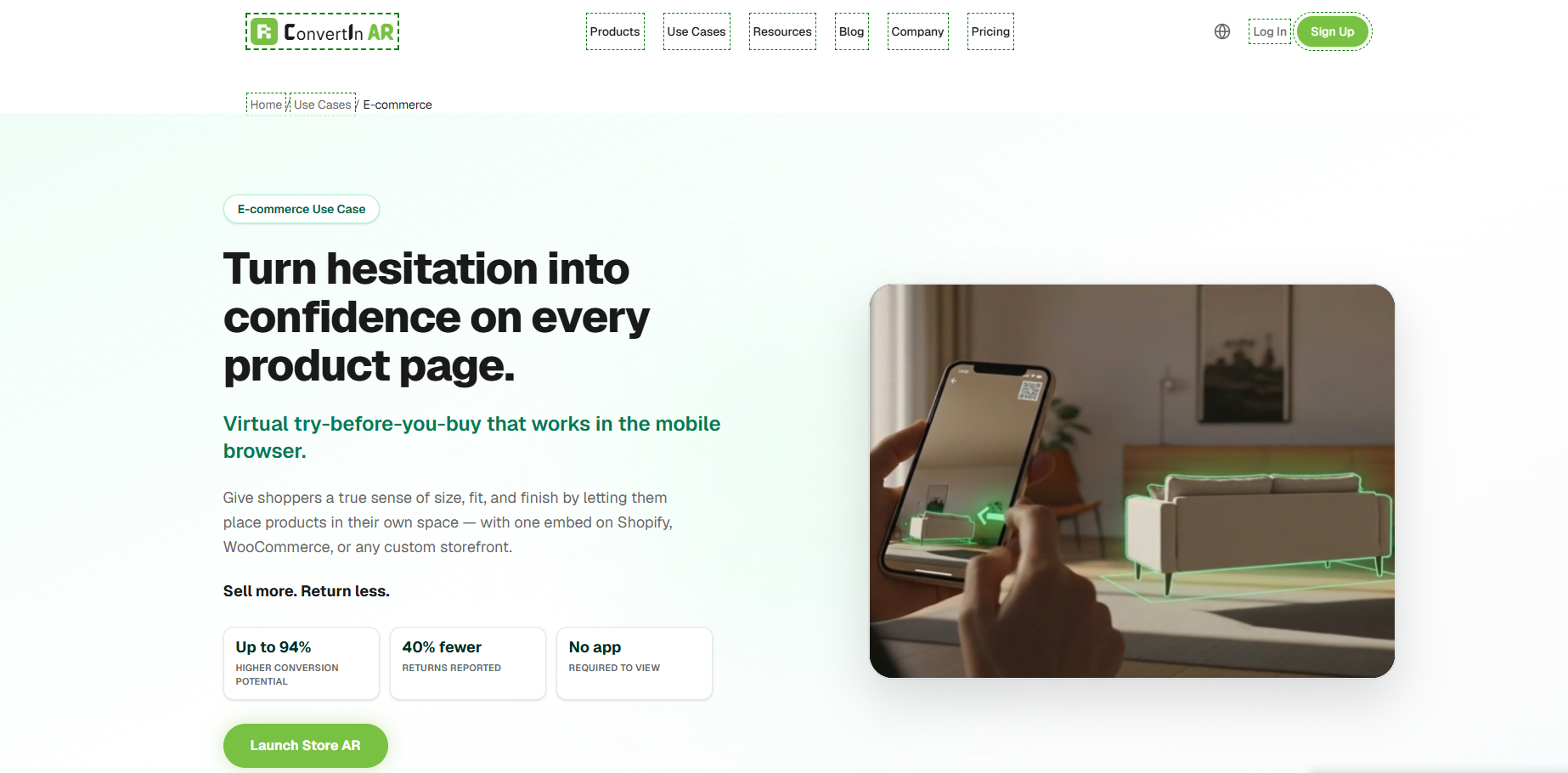
This can be particularly valuable for categories where visual understanding plays an important role. Furniture, home products, accessories, equipment, packaging, decorative products, and many other physical goods can benefit from experiences that allow customers to investigate rather than simply observe.
The objective is not to replace traditional product content. Images, specifications, descriptions, reviews, and videos all have their place. Interactive elements can work alongside them to answer questions that conventional content may leave unresolved.
The Hidden Importance of the Product Asset
Creating interactive commerce experiences often begins with something brands already possess: product imagery. Businesses may have extensive libraries of photographs created for websites, catalogs, marketplaces, advertisements, and social media campaigns.
The challenge is turning those existing assets into experiences without making the process unnecessarily complicated.
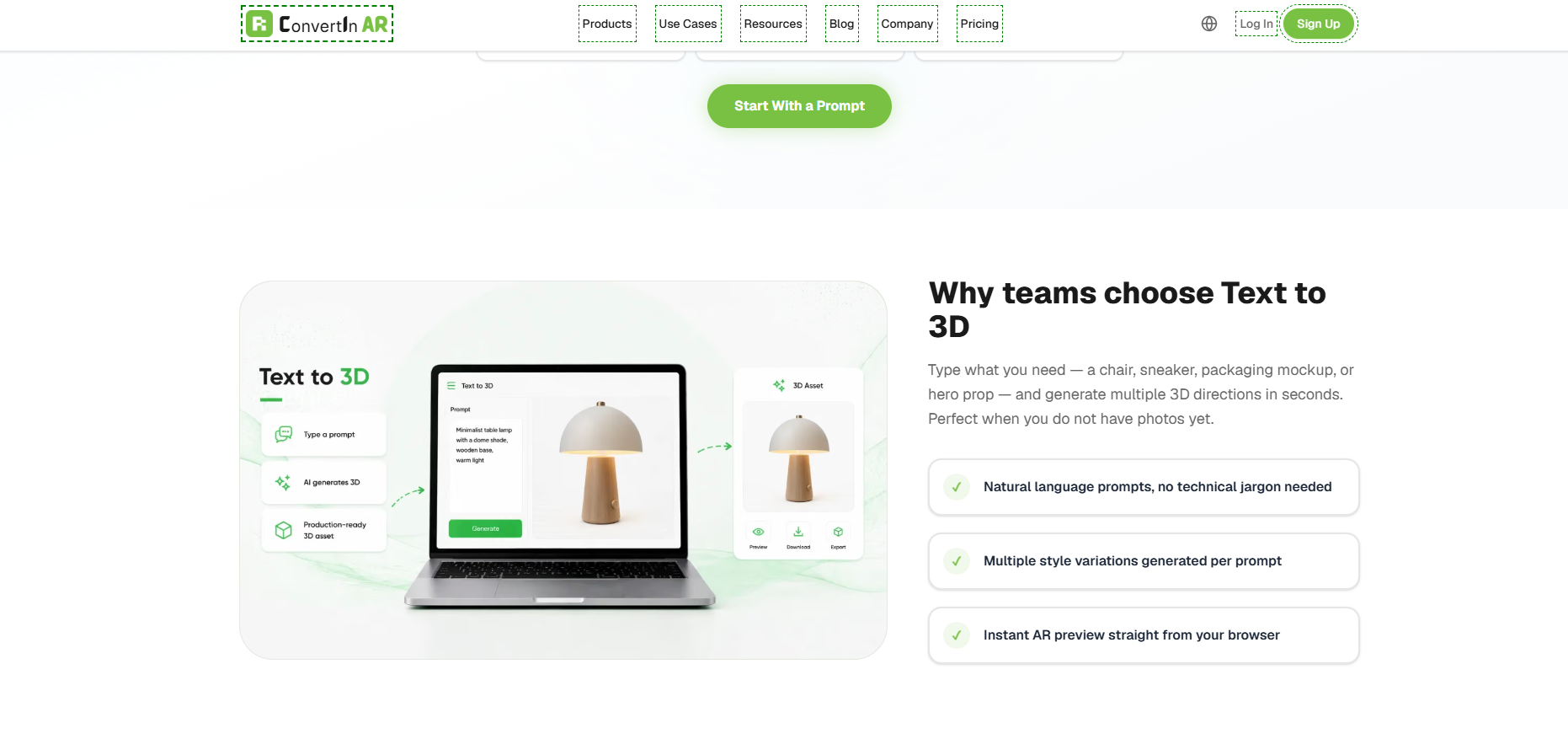
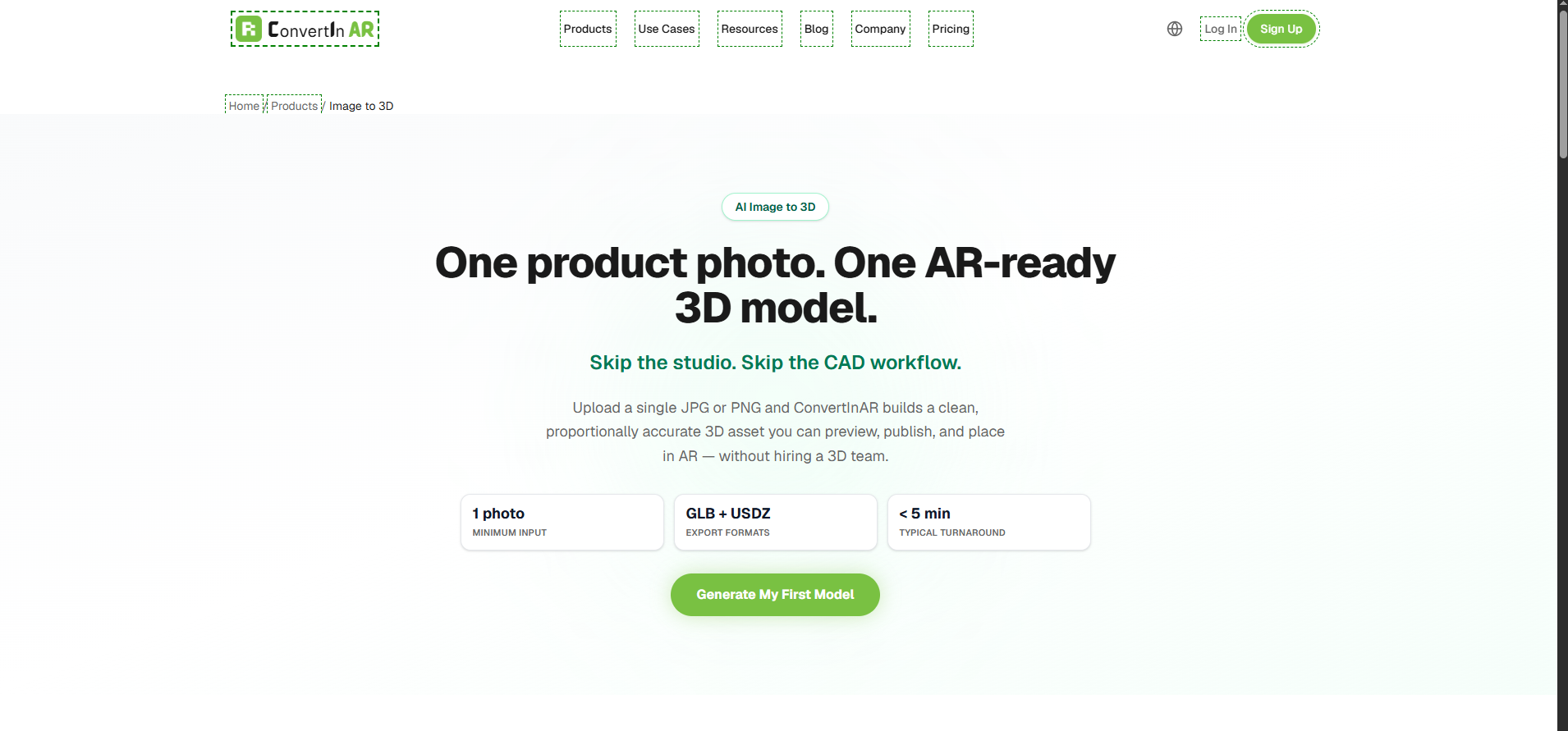
Modern workflows can convert image to 3D model so that existing visual content becomes a starting point for interactive product visualization. This creates an opportunity for businesses to make better use of assets that already exist instead of treating every interactive experience as a completely separate production project.
For brands managing large product catalogs, this distinction can be important. Creating an individual digital experience from scratch for every product can require considerable resources. A more streamlined approach can make interactive visualization easier to introduce across different product categories.
The broader idea is asset transformation. A product image does not necessarily have to remain a static endpoint. It can become part of a workflow that leads toward a more immersive customer experience.
Interactive Commerce Is About Understanding, Not Just Visual Appeal
Immersive technology can attract attention, but attention alone does not create a useful shopping experience. Customers interact with products because they want to understand them better.
A customer may want to know whether a product will fit a particular space, how its proportions compare with other objects, what its appearance might feel like from different angles, or whether its design matches their expectations. Interactive commerce can address some of these questions by allowing people to investigate products more actively.
This creates a different relationship between customer and product content. Instead of receiving information passively, the customer participates in the process of discovery.
That participation can make digital shopping feel more informative without requiring the experience to become complicated. The best interactive features are often those that feel like a natural extension of what the customer was already trying to accomplish.
Why Browser Access Matters
One of the biggest advantages of browser-based interactive commerce is familiarity. Customers already understand how to open a link on a smartphone. They do not necessarily need to learn a new interface or install a dedicated application before exploring a product.
This can make immersive experiences easier to introduce across different marketing channels. A customer might encounter a link through an online advertisement, scan something printed on packaging, or access an experience from a product page. The same basic device can become the gateway in each situation.
Browser access also supports a more flexible customer journey. Someone can begin exploring at home, continue while visiting a store, and return to the experience later. The experience is not necessarily tied to one specific physical location.
For businesses, this creates more opportunities to connect marketing, product discovery, and commerce without forcing customers through completely separate systems.
A Faster Path From Curiosity to Product Exploration
Consider the difference between two customer journeys. In the first, someone notices a product but has unanswered questions. They leave the page, search for more information, compare several alternatives, and perhaps postpone the purchase.
In the second, the customer encounters an interactive option at the moment of curiosity. They can immediately explore the product, examine additional information, and continue evaluating it without leaving the original context.
The second journey is not automatically successful in every situation, but it illustrates why instant access matters. Reducing the distance between a question and the information that answers it can make digital commerce more responsive.
This principle applies beyond websites. Retail displays, catalogs, packaging, printed campaigns, trade-show materials, and promotional assets can all become potential starting points for product exploration.
Making Physical Retail More Connected
Interactive commerce does not mean that physical stores become irrelevant. Instead, digital interaction can add capabilities to physical environments.
A shopper standing in a store can already see the physical product, but an interactive layer could provide additional information or visualization. Customers might compare variations, investigate product details, or access experiences that would be difficult to reproduce through the physical display alone.
This can also help businesses handle situations where every variation cannot be physically displayed. A showroom may have limited space, while an interactive digital catalog can expose customers to a wider range of products.
The result is a hybrid shopping environment in which physical presence and digital exploration support each other rather than competing for attention.
Extending Interactive Experiences Beyond the Product Page
The traditional product page remains an important part of e-commerce, but interactive commerce can extend beyond that single destination. Brands can introduce experiences at different stages of the customer journey.
A person might first encounter an interactive experience through packaging. Another customer might discover it through a retail display. Someone else could arrive from a campaign or promotional material. Each touchpoint can provide a different opportunity to move from awareness into exploration.
This creates a broader concept of digital product access. Instead of asking customers to find the product experience themselves, brands can place entry points where customer attention is already happening.
Such an approach can also make marketing materials more useful after the initial impression. A printed advertisement does not necessarily have to end when the customer looks away. With a connected digital layer, it can become an invitation to continue exploring.
Where Augmented Experiences Fit Into Everyday Commerce
As interactive commerce develops, immersive features do not need to dominate every customer interaction. Their value can come from appearing at the right moments.
A product that is easy to understand from a photograph may not need extensive visualization. A more complex physical product may benefit considerably from additional interaction. The important question is whether the experience helps customers make sense of something that would otherwise remain uncertain.
The same principle applies to food, hospitality, retail environments, events, and service businesses. For example, augmented reality restaurant menus can introduce interactive elements into the process of deciding what to order, while other industries can use similar approaches to help customers visualize physical products or environments.
The underlying concept remains consistent: digital information becomes more useful when it appears in a context where people can immediately act on it.
Designing for the Moment of Decision
Interactive commerce works best when technology supports an existing customer intention. A customer who is already considering a product does not necessarily want a complicated digital journey. They want useful information that helps them continue.
That means access should be simple, interactions should be understandable, and the experience should provide meaningful value quickly. The technology should not become the focus of the interaction. The product and the customer’s needs should remain central.
This perspective also changes how brands can evaluate interactive experiences. Instead of asking only whether customers used a feature, businesses can consider what the feature helped customers understand, explore, or decide.
Building a More Connected Commerce Experience
Instant access represents a broader shift in digital commerce. Customers increasingly move between physical and digital environments throughout the shopping journey. They may see a product in a store, research it on a phone, encounter it again through advertising, and eventually purchase it online.
Interactive experiences can help connect these separate moments. A printed surface can lead to a digital experience. A product photograph can become the starting point for three-dimensional exploration. A physical display can connect customers to information that cannot fit beside the product.
These connections make commerce less dependent on a single channel. Instead, every relevant customer touchpoint can become part of a larger experience.
The Future of Interaction May Be Closer Than It Looks
Interactive commerce does not necessarily require futuristic hardware or complicated applications. Much of the technology needed to create richer product experiences can already operate through devices customers use every day.
That is what makes instant access particularly significant. The opportunity is not simply to make commerce more immersive, but to make useful interaction available at the exact point where curiosity appears.
As businesses continue looking for ways to make products easier to understand, the distance between seeing and exploring may become increasingly small. Product imagery can evolve into interactive content, physical marketing can become a digital gateway, and browser-based experiences can bring new layers of information directly to customers.
Ultimately, instant access is about reducing friction between interest and understanding. When customers can move naturally from discovering a product to examining it, comparing it, and learning more about it, digital commerce becomes less passive. The experience begins to resemble the kind of active exploration people naturally expect when they encounter something they are genuinely interested in.
Portfolio